
Modern responsive website design
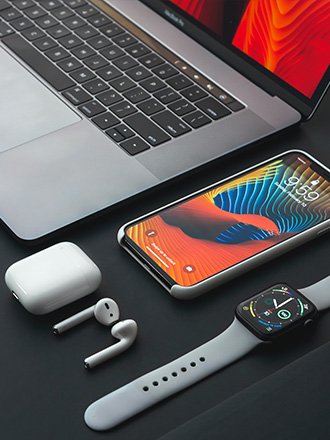
Modern responsive website design
In today’s fast-paced digital world, having a website that looks great and functions perfectly across all devices is essential. Whether your users are browsing on a desktop, tablet, or smartphone, your website should provide a seamless experience, and that’s where modern responsive website design comes in. At Create Personal Website, we specialize in crafting responsive websites that adapt beautifully to any screen size, ensuring an optimal user experience no matter how visitors access your site.
In this blog, we’ll explore the importance of responsive design, what makes a website “modern,” and how we can help you create a website that meets the needs of today’s users.
What is Responsive Website Design?
Responsive web design refers to the practice of building a website that automatically adjusts its layout, content, and images based on the size and orientation of the device it’s being viewed on. Rather than creating separate versions of a website for desktop and mobile users, responsive design ensures that there’s one website that adapts to all screen sizes—from large desktop monitors to small mobile screens.
This adaptability is achieved through a combination of flexible grids, images, and media queries. Essentially, the design “responds” to the device’s specifications, providing a customized experience for each user.
Why Responsive Design is Essential in 2025
As the world continues to rely on mobile devices for browsing, shopping, and researching, it’s more important than ever to have a website that works seamlessly across all platforms. Here’s why responsive web design is no longer optional:
1. Mobile Usage is Increasing
According to recent statistics, over half of all web traffic comes from mobile devices. As mobile usage continues to rise, Google and other search engines prioritize mobile-friendly sites in their rankings. If your website isn’t responsive, you could be missing out on a significant portion of potential visitors and customers.
2. Improved User Experience (UX)
A responsive design ensures that visitors to your website can navigate and interact with it easily, regardless of the device they’re using. Whether they’re scrolling on a smartphone or navigating on a desktop, a well-designed responsive website provides a user-friendly experience that reduces bounce rates and improves engagement.
3. SEO Benefits
Google has made it clear that mobile-first indexing is now a priority. Websites that are not mobile-optimized (i.e., responsive) can be penalized in search rankings. With responsive design, you ensure that your website is SEO-friendly, making it easier for search engines to crawl and index your content.
4. Cost-Effective Maintenance
Rather than maintaining separate websites for desktop and mobile versions, responsive design allows you to update and manage a single website. This reduces the complexity and costs of website maintenance and ensures consistency across all platforms.
5. Better Conversion Rates
Responsive design doesn’t just improve user experience—it can also improve conversion rates. Visitors are more likely to engage with a website that loads quickly and is easy to navigate on any device. Whether you’re selling products, services, or just showcasing your work, a responsive site can help turn visitors into customers or leads.
What Makes a Website Design “Modern”?
When we talk about modern website design, we’re referring to a combination of style, functionality, and user-centric features that are designed with the latest web trends and best practices in mind. Here are some key elements that make a website design modern:
1. Clean, Minimalist Aesthetic
Modern websites tend to favor clean, minimalist design. This means an emphasis on white space, simple navigation, and a visually appealing layout that doesn’t overwhelm users with clutter. Minimalism helps highlight the most important content, allowing your visitors to focus on what matters.
2. Mobile-First Design
As we mentioned earlier, mobile-first design is now essential. A modern website design begins by considering how it will function on mobile devices before scaling up to larger screens. This ensures a great experience for mobile users, who make up the majority of web traffic today.
3. Fast Load Times
Speed is crucial in today’s online environment. Modern websites are designed with performance optimization in mind, ensuring that pages load quickly to keep visitors engaged. We focus on optimizing images, minimizing code, and using best practices for fast page loading.
4. Interactive Features and Animations
Modern websites often incorporate subtle animations, interactive elements, and micro-interactions to enhance user experience. These features can make your website feel more dynamic and engaging without being overwhelming. Think of smooth scrolling, hover effects, or interactive product displays.
5. User-Friendly Navigation
A modern website design always includes intuitive, easy-to-use navigation. Whether it’s a simple navigation bar or a hamburger menu on mobile, users should always be able to find what they’re looking for with minimal effort.
6. High-Quality Imagery and Video
Visuals play a central role in modern design. Websites today rely on high-quality images and video to engage visitors. These elements are also optimized for fast loading and proper scaling on different devices to ensure they look great on all screen sizes.
7. Accessibility
A modern website design should be accessible to all users, including those with disabilities. This means adhering to web accessibility standards (WCAG), such as providing alt text for images, using readable fonts, and ensuring that content is easy to navigate with screen readers.
8. Seamless Integration with Social Media
Modern websites often feature social media integration, making it easy for visitors to share content, follow your social profiles, or see real-time updates. This helps foster a more connected and interactive online presence.
How Create Personal Website Can Help You Build a Modern, Responsive Website
At Create Personal Website, we specialize in creating custom responsive websites that look great and work flawlessly across all devices. Here’s how we can help bring your vision to life:
1. Tailored Designs
We don’t believe in one-size-fits-all solutions. Every website we create is tailored to your specific needs—whether you’re running a business, showcasing your portfolio, or launching a personal blog. We work closely with you to understand your goals, brand, and target audience to ensure your website reflects your unique identity.
2. Mobile-First Approach
We design with mobile-first principles, ensuring your website is fully optimized for smartphones and tablets before scaling to desktop. This approach results in a fast, fluid experience for all users.
3. Optimized for Performance
We optimize every aspect of your website for speed and performance. This includes compressing images, reducing unnecessary code, and implementing best practices to ensure your website loads quickly and smoothly, which is essential for both user satisfaction and SEO.
4. User-Centered Design
We focus on creating user-friendly websites that are intuitive to navigate. From clear calls to action (CTAs) to logical layouts and easy-to-read text, we ensure that every part of your website is designed with the user in mind.
5. SEO-Ready Websites
All of our websites are built with SEO best practices in mind, so you don’t have to worry about rankings down the line. We ensure that your website is not only responsive but also optimized to rank well on search engines, helping you get found by your audience.
6. Ongoing Support and Maintenance
We don’t just build your website and leave you on your own. At Create Personal Website, we offer ongoing support and maintenance to ensure your website stays up to date and performs at its best. From software updates to troubleshooting, we’re here to help.
The Benefits of Choosing a Responsive, Modern Website
Choosing modern responsive web design brings multiple benefits that can elevate your online presence. Here’s how it can positively impact your business or personal brand:
-
Increased Traffic: A responsive website is easier to find and navigate, which can lead to higher traffic and engagement.
-
Higher Conversion Rates: With an optimized user experience on all devices, visitors are more likely to convert into customers, subscribers, or leads.
-
Improved Brand Image: A modern, well-designed website reflects positively on your brand, showing that you’re current, professional, and user-focused.
-
Better SEO Performance: Responsive sites are favored by Google and other search engines, improving your rankings and visibility.
-
Future-Proofing: As new devices and screen sizes emerge, responsive websites are better equipped to handle the evolving digital landscape.
Recent Posts

Mobile-friendly personal websites

Modern responsive website design

Affordable custom web design packages

Website design with SEO optimization

How to create a personal website easily